Global Site - English
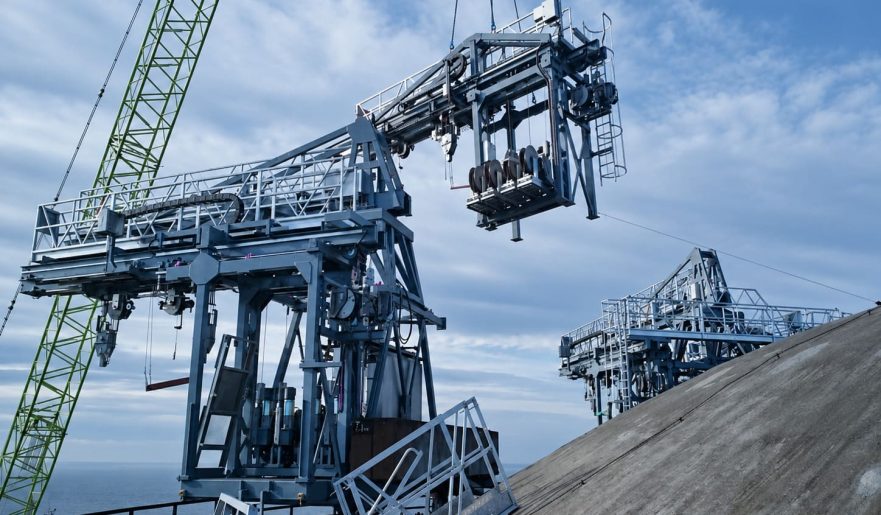
Infrastructure Access Solutions (IAS) designs and manufactures lifting equipment around those conditions. Our work includes derrick cranes, segment hoists, beam launchers, heavy-lift platforms, precision winching units and shaft elevators.
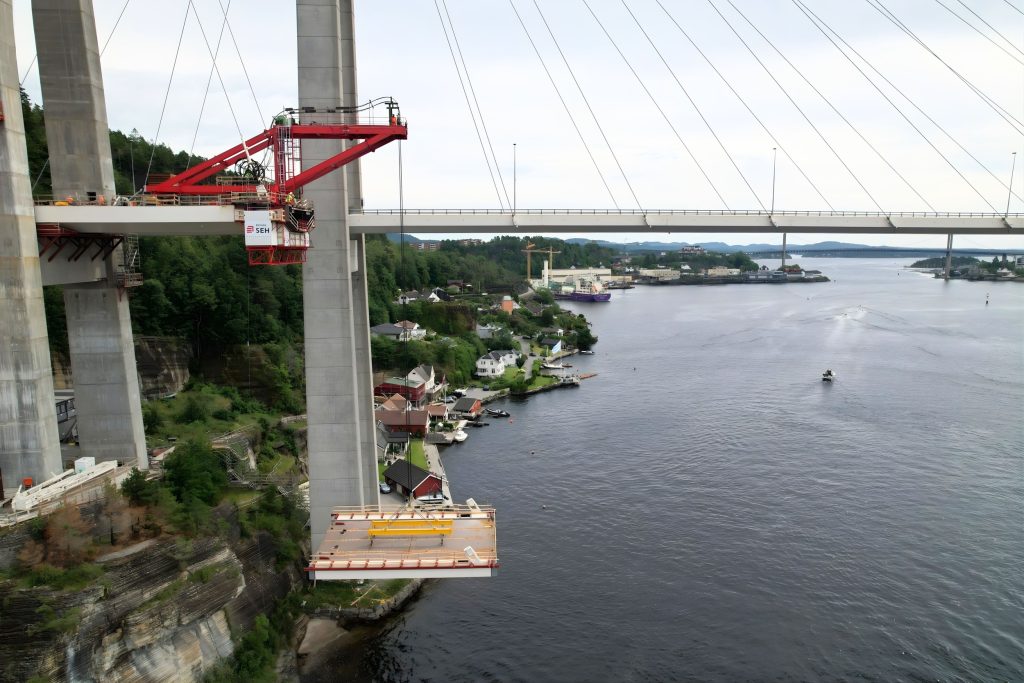
Complex infrastructure projects rarely leave unlimited space for lifting operations. Structure, access, sequencing and operating conditions all influence what equipment can be used.
Infrastructure Access Solutions develops lifting systems around those project requirements. Our engineers work with the load path, available space, and supporting structure to develop equipment that fits the construction method rather than forcing the project to fit a standard machine.
Our lifting capability covers project-specific equipment for moving, positioning and supporting heavy or difficult loads.
Where ground-based craneage is limited, lifting equipment can be designed to work directly from the structure.
This can include:
These systems can support bridge erection, precast installation, and other lifting operations where reach or site access limits the use of conventional cranes.
Some projects require more than lifting capacity. Components may need controlled travel, accurate positioning or repeatable movement within a restricted working area.
Our capabilities include precision winching systems, motorized lifting equipment and custom mechanisms developed around the required movement sequence. Remote-control options can be integrated where appropriate, allowing operators to manage movement from a safer operating position. Controls, braking and positioning requirements are considered as part of the equipment design.
Deep shafts, towers, enclosed structures and confined environments create a different lifting challenge. Rack-and-pinion elevators, shaft elevators, and other vertical transport systems can be designed around available space, payload requirements, and the way crews or materials need to move through the structure.
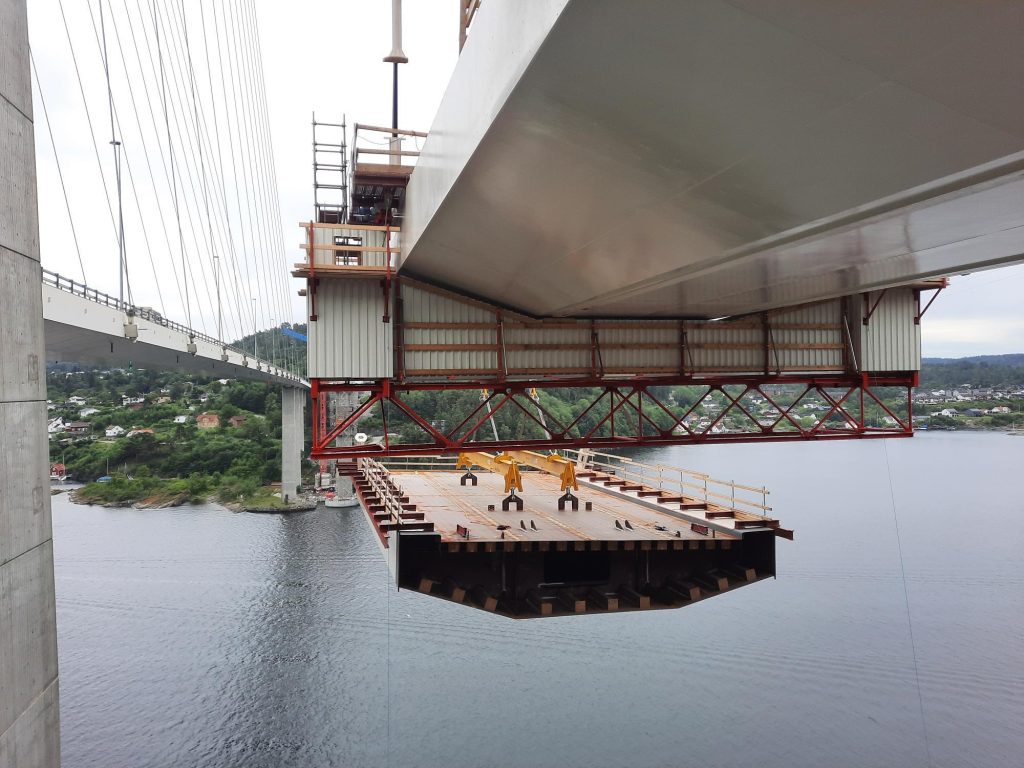
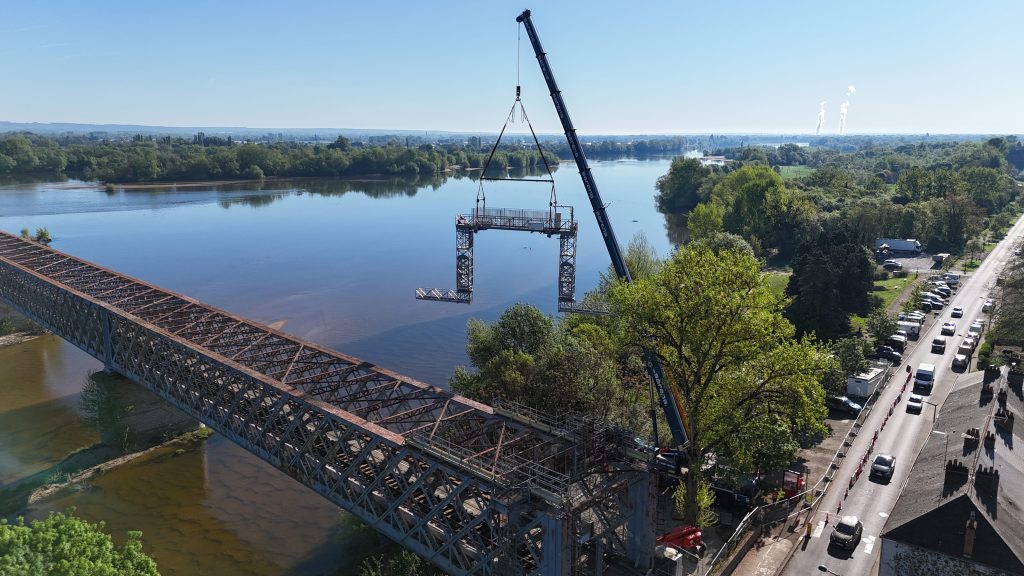
Infrastructure Access Solutions can support the lifting requirement from early concept through delivery.
We develop the lifting concept around the load case, structure and operating requirements. Structural analysis, mechanism selection and controls form part of the design process.
Project-specific equipment can move through fabrication, assembly and testing before delivery to site.
This gives project teams the opportunity to verify the equipment and operating sequence before installation.
Our support can continue through erection, commissioning and operator familiarization. The level of site support depends on the equipment and project requirements. Applicable codes, lifting standards, safety requirements and project specifications are addressed during the engineering process, depending on the equipment type and jurisdiction.
On a lift, the single biggest safety variable is where the operator is standing. A crane cabin suspended at pylon level, a remote-control panel at the deck edge, a winch pendant inside a shaft. The operating position shapes the sight line to the load, the control response, the brake logic, and the behavior of the equipment under abnormal conditions. Safety is priority number one for every project we support, and that starts with how the operator interacts with the machine.
We design in remote-control options where the physical location of the operator is itself the risk. A precision winch moving a heavy nuclear component may be driven from a shielded station rather than from the lift area. A segment hoist above a highway may be controlled from a parking position where the crew is clear of the load path.
The ergonomic design of operator stations and control positions follows EN ISO 6385. Overall machinery risk assessment follows EN ISO 12100, and the lifting attachments between hook and load answer to EN 13155. For CE-marked lifting equipment inside the EU, the Machinery Directive 2006/42/EC applies on top, and EN 12195-1 governs load restraint when the equipment itself is moved by road.
The IAS working-at-height heritage sits behind that approach. Different jurisdictions bring their own lifting rules and work-at-height regulations, and our engineers adapt the design to the governing framework of each project rather than defaulting to a single rulebook.
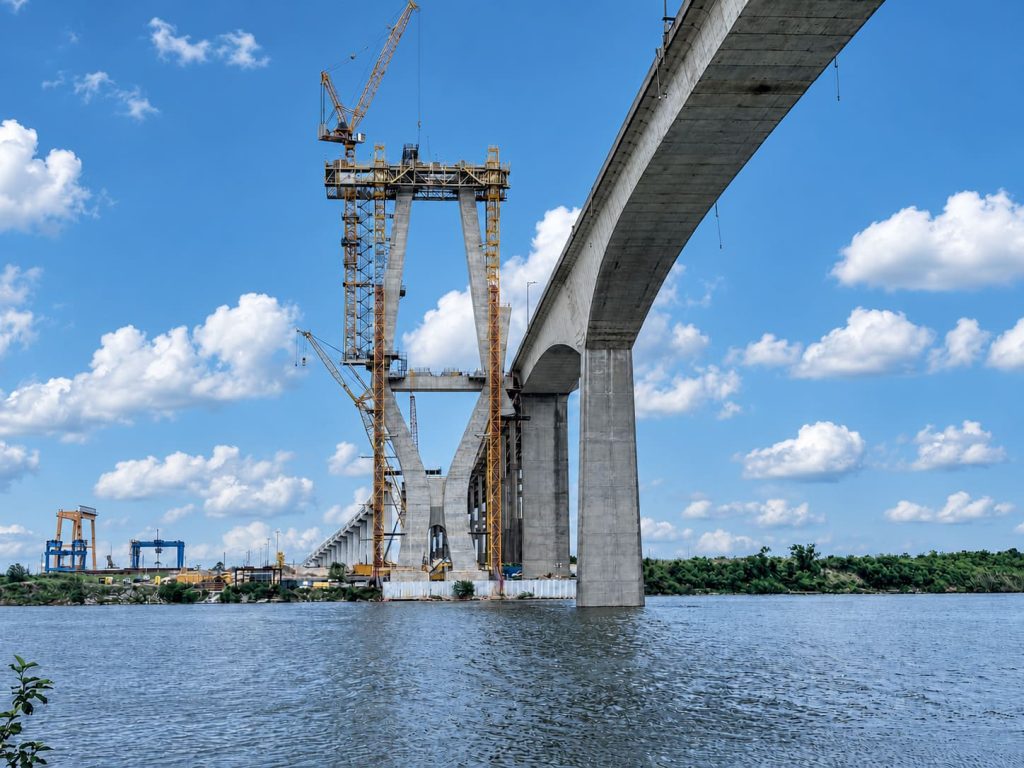
Infrastructure Access Solutions draws on the broader engineering capabilities of Alimak Group, including special projects expertise.
The group has supported complex lifting, access and handling requirements across bridges, tunnels, nuclear facilities and other major infrastructure projects.
The group’s bridge construction equipment has contributed to the construction of more than 50 bridges in 20 countries over more than 40 years. Specialist project experience also includes the Fehmarnbelt immersed tunnel, Crown Bridge in Helsinki and the Darlington New Nuclear Project. This wider engineering network gives project teams access to experience in custom design, manufacturing, testing and specialist infrastructure equipment within one group.
Let Infrastructure Access Solutions help develop a lifting approach tailored to your structure, sequence, and operating requirements.
Start with the erection method and the space available around the load. Reach, headroom, support reactions and the load path, then narrow the options. Ground availability is often decisive. Where standard craneage cannot work within the site envelope, a structure-supported or purpose-built lifting system may be more practical.
Cycle count and load spectrum are key inputs. A machine repeating hundreds of erection cycles needs a different fatigue design from one used a small number of times. Environmental exposure and operating conditions can also affect the structure, mechanisms and controls. The duty should be agreed before detailed design begins.
Custom equipment becomes relevant when crane standing space, reach or access makes conventional craneage impractical. It can also make sense when the same lifting sequence repeats throughout a project or when loads have to move above water, traffic, rail, or other restricted areas.
Requirements depend on the equipment, application, and project jurisdiction. Machinery rules, site requirements and lifting standards may apply together. The governing framework should be defined during the design stage so the equipment and documentation can be developed around the project specification.
Yes. Project-specific machines are part of the IAS special projects capability. The design can begin fromthe method statement, load cases and structural model. The system can then progress through engineering, manufacturing, testing and site support as required.
IAS supports nuclear lifting, handling and access requirements across construction, operations and maintenance. Relevant equipment can include overhead cranes, precision winching and other project-specific systems. Nuclear scopes are developed around operator requirements, project specifications, applicable quality frameworks and nuclear safety requirements.