Global Site - English
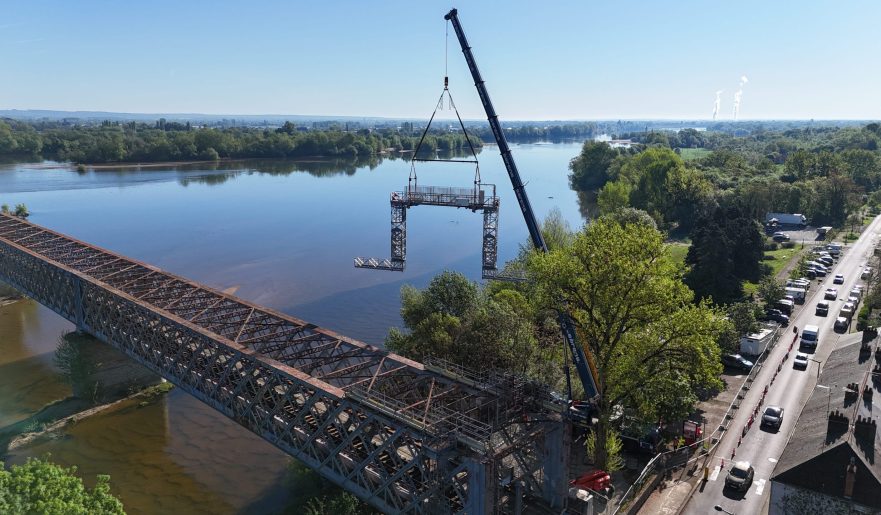
Our work brings access, lifting and handling together, from early concept and structural coordination through manufacturing, testing and site support.
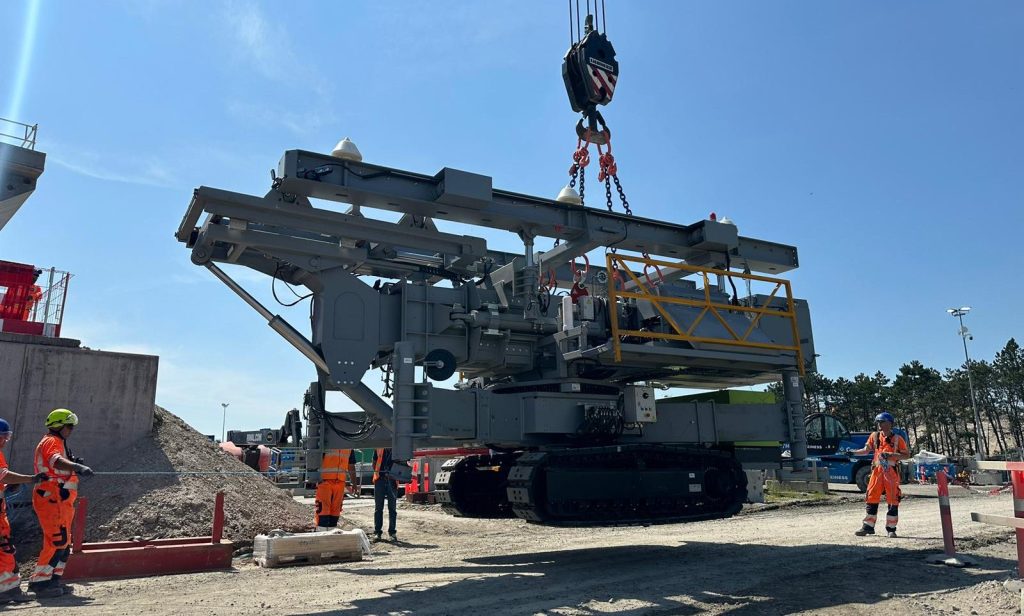
The three capabilities solve different parts of the same project problem. They can be delivered independently or combined when access, movement, and lifting need to work as a single system.
Access solutions put people, tools and work platforms where the project needs them. This can include under-deck gantries, stay-cable travelers, pillar platforms, finishing platforms and rack-and-pinion elevators. The system may support one construction phase or remain as permanent access for inspection and maintenance. Geometry, reach and structural interfaces shape the design from the start, especially where a standard platform cannot follow the asset.
Lifting solutions address heavy, awkward or highly controlled movements. IAS capabilities include derrick cranes, segment hoists, beam launchers, heavy-lift platforms, precision winching units and overhead cranes. The design is driven by more than load capacity. Reach, pick points, available headroom and the construction sequence can all determine how the equipment is configured. Custom lifting equipment can also be coordinated with access and handling systems where one activity depends on another.
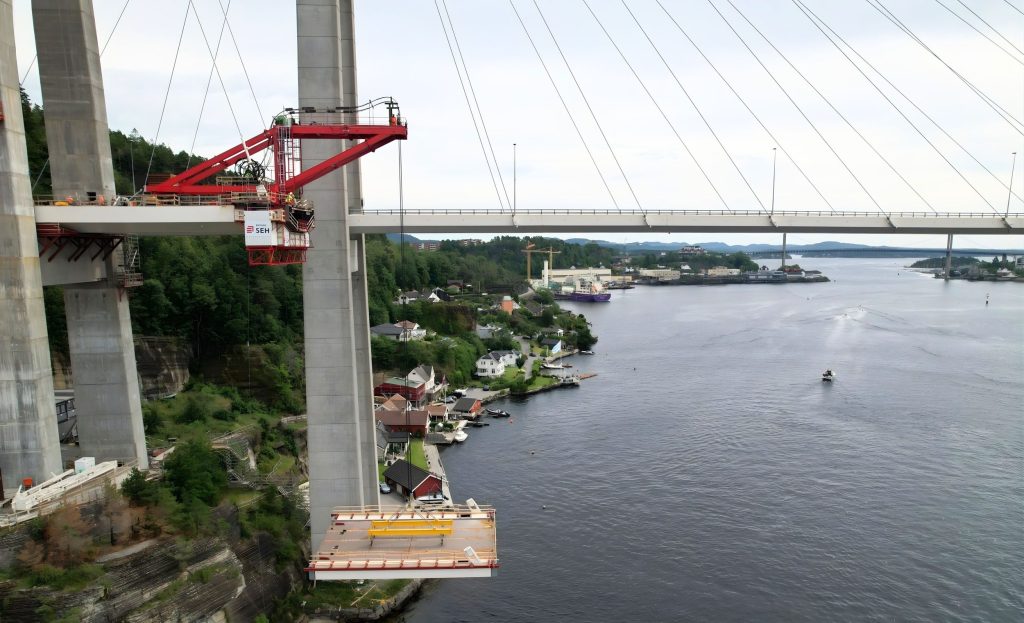
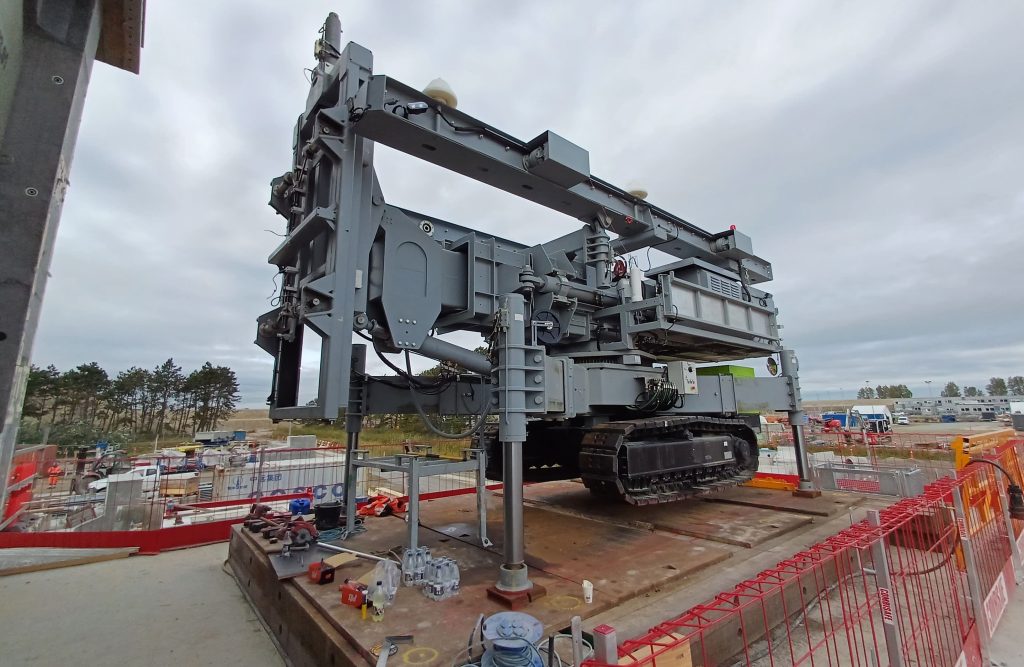
Handling solutions keep materials and components moving through restricted or changing work areas. IAS capabilities include discharge systems, scissor tables, monorails, spreader bars and bulkhead-handling machines. These systems are developed around the route, load case and work sequence rather than a standard warehouse layout. They can support continuous movement, staged logistics or one-off handling tasks within tunnels, bridges, nuclear facilities and other complex infrastructure environments.
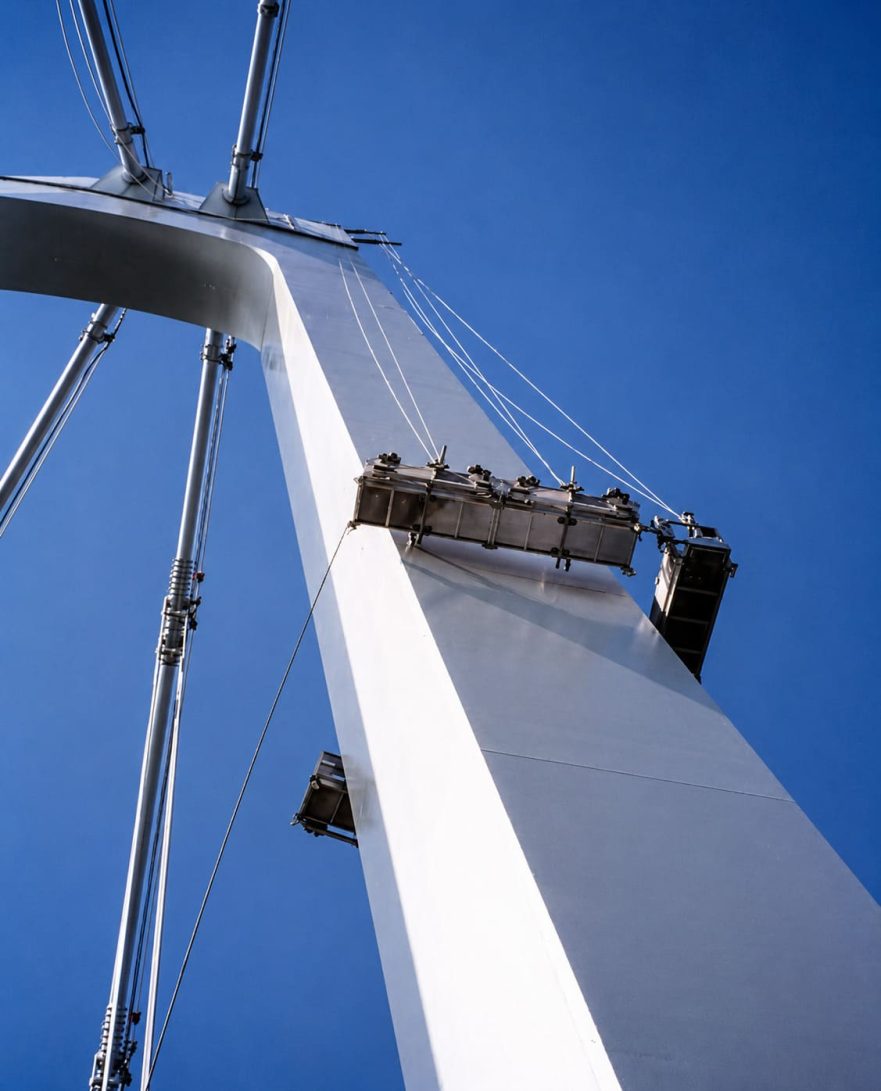
Custom equipment becomes relevant when the project sits outside the limits of standard machinery. Restricted headroom, unusual geometry, large components and changing work fronts can all affect the solution. The same applies when equipment needs to interact with temporary works or remain part of the asset after construction.
Infrastructure Access Solutions starts with the project constraint. Our engineers review the work face, load case, movement path and structural interfaces before a concept is fixed. This helps determine whether a modified standard system can meet the requirement or whether a purpose-built machine is the better route. The objective is practical: develop equipment that fits the method and can be manufactured, tested and operated within the project program.
The same engineering sequence carries the requirement from concept into a working machine. Keeping the key stages connected reduces the gap between design intent and what arrives on site.
On a custom machine, safety behavior is almost entirely decided at concept stage. By the time the first weld is laid, the operating envelope, control architecture and risk-reduction choices are already locked. That is why IAS treats safety as the first design input, not a line to tick at the end. Safety is priority number one for every customer we work with.
Across the three capabilities, that input looks slightly different. On an access scope, the design question is how the crew gets onto the platform, works on it and leaves it safely, which brings EN ISO 14122 and EN ISO 6385 into the first design review. On a lifting scope, the question is where the operator stands relative to the load, which pulls in EN 13155 for the attachment and EN ISO 12100 for the overall risk assessment.
On a handling scope, the question is how the moving load behaves within a corridor shared by other crews, which combines the two. CE-marked systems inside the EU answer to the Machinery Directive 2006/42/EC on top, and EN 12195-1 covers load restraint during the road move to site.
Each project jurisdiction brings its own work-at-height, lifting or site-safety regulations, and our engineers adapt the design to the governing framework rather than defaulting to a single rulebook.
Bring IAS in early to engineer the right access, lifting or handling solution around your project.
Custom equipment is usually considered when geometry, reach, load conditions or the construction sequence sit outside a standard machine’s operating envelope. A modified standard system may still be the better option when it can meet the duty safely and efficiently. IAS reviews both routes before a concept is fixed.
Start with the work face, load case and route to the work area. Reach, payload, duty cycle and exposure conditions also matter. Structural drawings or a BIM model help define interfaces early. The project method and operating sequence then shape the equipment concept.
Yes, where the project method requires the systems to work together. A lifting operation may depend on a temporary access platform or a handling route. Coordinating those interfaces early can reduce clashes between separate pieces of equipment and simplify the sequencing of work on site.
Yes. Temporary equipment may prioritize erection speed, reuse and dismantling. Permanent systems place more emphasis on design life, inspection access, corrosion protection and long-term support. Some projects may also require construction equipment that later transitions into an operations or maintenance role.
Useful starting information includes structural drawings, the construction method, load and reach requirements, site access constraints and the intended operating sequence. Power availability, environmental conditions and the applicable regulatory framework may also affect the concept. More complete project information usually leads to a more defined early design.
Requirements depend on the equipment type, application and project jurisdiction. European access and lifting systems may reference EN 1808, the Machinery Directive 2006/42/EC and EN 13001, while US lifting equipment may reference relevant ASME B30 requirements. Nuclear supply can involve ISO 19443. The governing requirements should be confirmed for each project before design is finalized.