Global Site - English
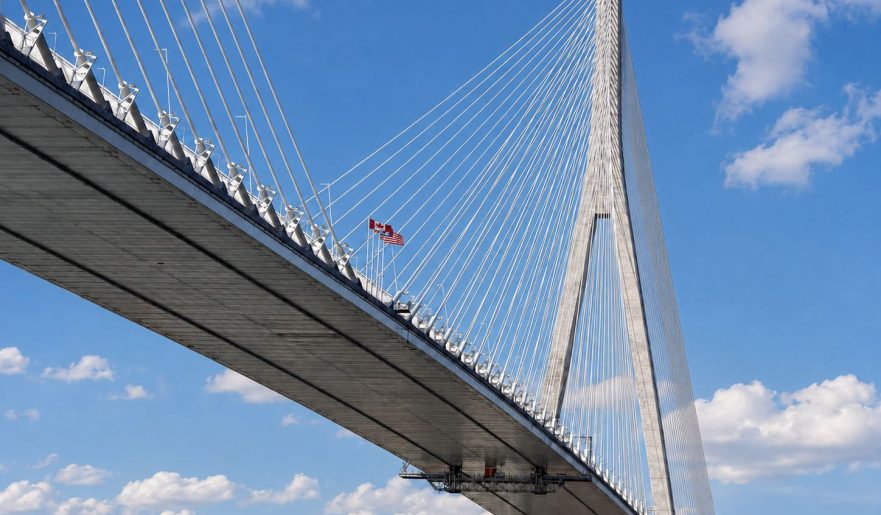
Infrastructure Access Solutions designs and manufactures access systems for structures where reach, geometry, or operating conditions rule out standard equipment. We work with contractors, owners, engineers and consultants to place crews and tools safely where the work actually happens.
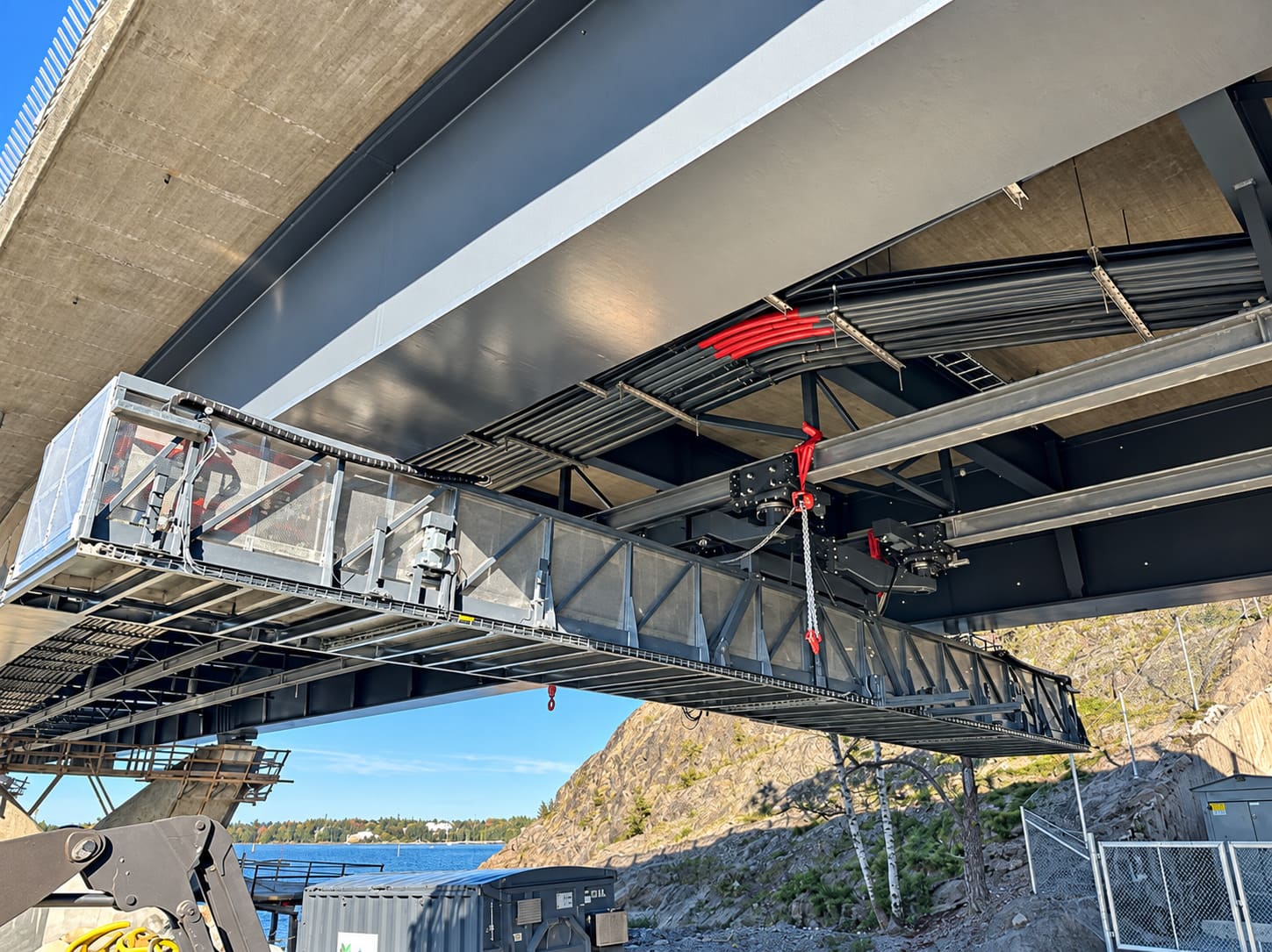
Access requirements change throughout the life of an infrastructure asset. Some systems are needed only during construction. Others become part of the permanent inspection and maintenance strategy. We engineer both temporary and permanent access around the structure, work sequence, and tasks crews need to perform.
Temporary systems support construction, installation and specialist works where crews need safe access to changing work areas. Solutions can be designed for fast installation, relocation and removal as the project progresses.
Permanent systems are developed for repeated inspection and maintenance throughout the asset life. The design considers access routes, operating frequency, environmental exposure and integration with the finished structure.
When both are required, planning them together early can reduce the need for later modifications to the asset.
The right system depends on where crews need to work and how they need to move around the asset.
Our access capabilities include:
Each system is configured around the actual work area, payload and operating requirements.
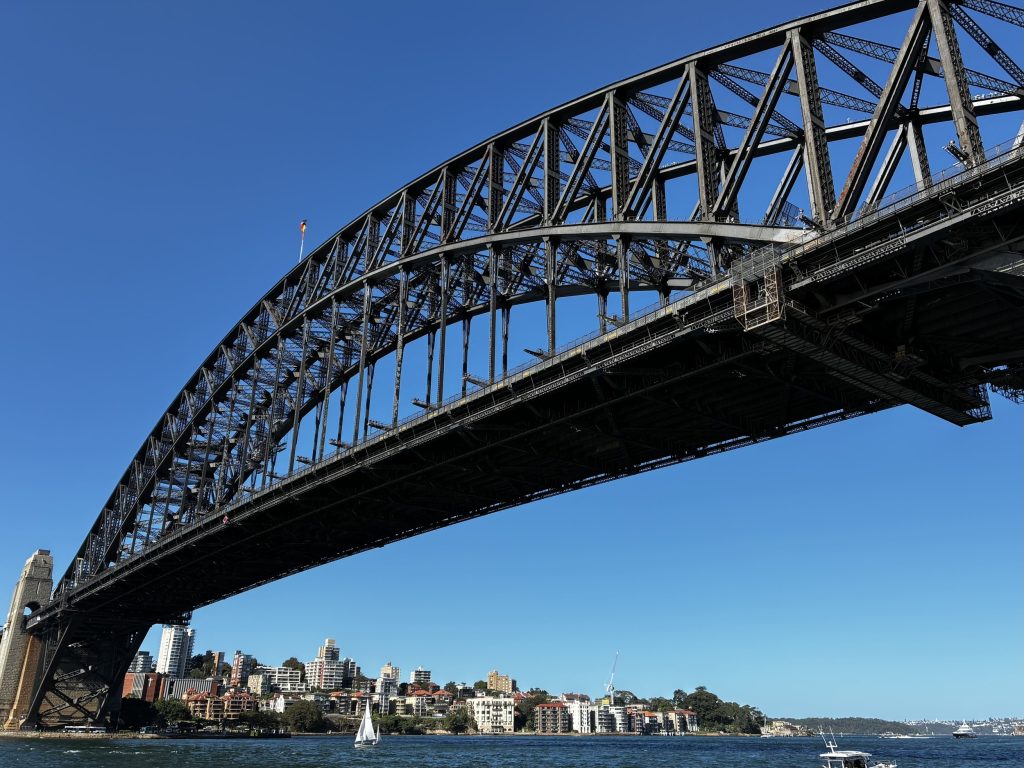
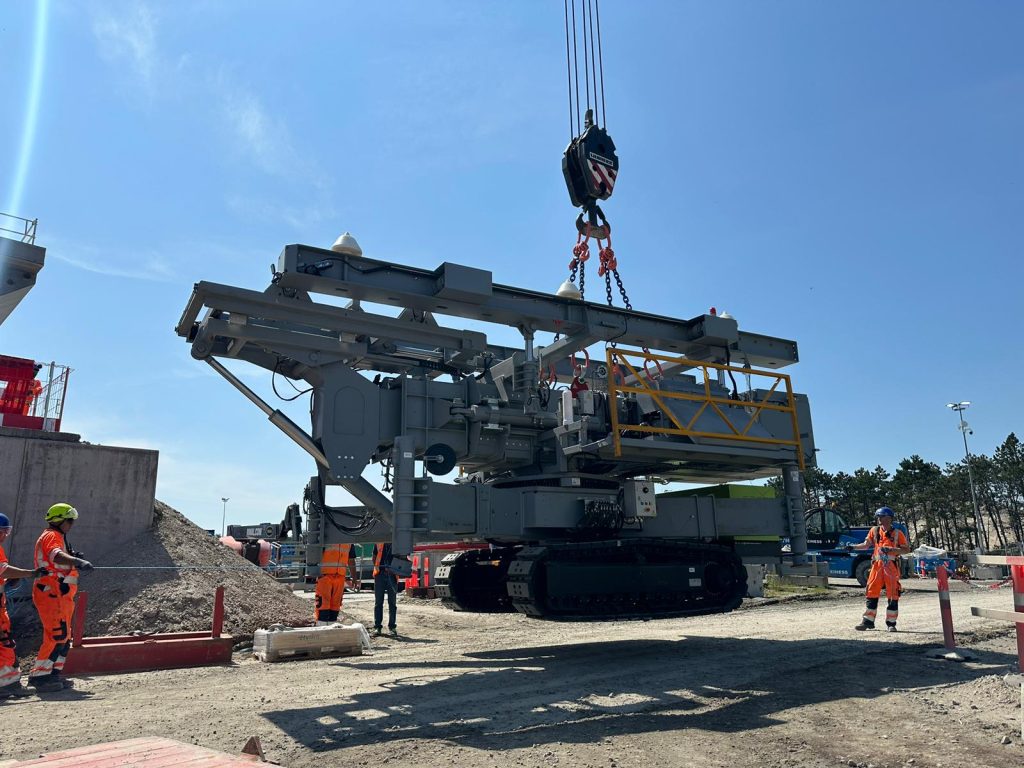
Safety sits at the center of every access system we deliver. Our origins in working-at-height equipment shaped a safety-first mindset that now carries into bridge, tunnel, nuclear and other critical infrastructure work. For asset owners and contractors, safety is priority number one on every project.
Each project applies the codes and norms that match the equipment type, duty cycle and site conditions. Common references across our access solutions include:
Local safety and work standards may also apply depending on the installation jurisdiction. Our engineering teams adapt the design to the governing framework of each project rather than defaulting to a single rulebook.
Safety carries through the whole project cycle. Risk assessments are documented during design review. Factory and prototype tests confirm the safety functions before shipment. Site commissioning verifies the installed system behaves as the design intended.
Access works best when it is considered alongside the structure rather than added after major design decisions have already been made.
Our engineers can work with contractors, consultants and asset owners during the design stage to review access routes, structural interfaces and operating requirements. This allows rails, supports, platforms and other interfaces to be coordinated with the project before construction reaches the point where changes become difficult.
For existing assets, we can also assess access requirements where the original system no longer supports current inspection or maintenance needs.
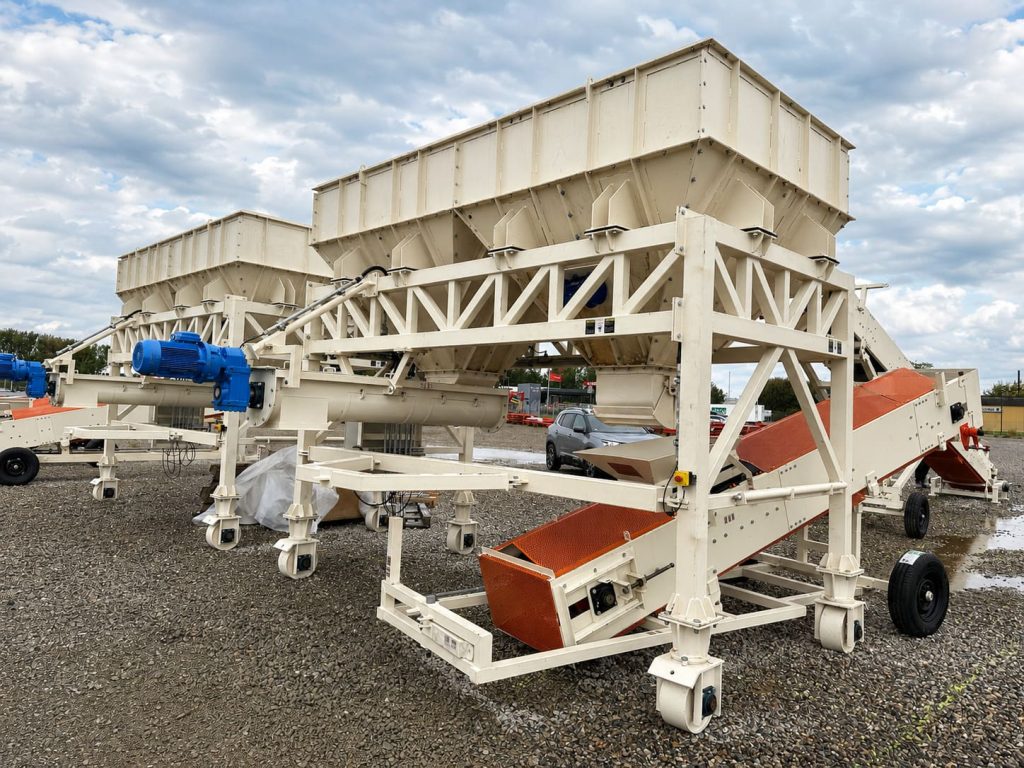
Infrastructure Access Solutions draws on the wider engineering capability of Alimak Group.
Our teams have supported access requirements across major bridge, tunnel and nuclear projects worldwide. Bridge equipment from the group has contributed to more than 50 bridges across 20 countries over more than 40 years.
That experience gives project teams access to specialist engineering for structures where geometry, operating conditions or long-term maintenance requirements call for a purpose-built approach.
Give your team a clearer access strategy before structural and construction decisions limit the options.
Work duration, repetition, and the asset maintenance plan usually decide the direction. Temporary systems support a defined construction sequence and demobilize afterward. Permanent access to the structure remains for inspection or maintenance. Some projects need both. In those cases, the permanent system should be considered while the structure is still being designed.
The design starts with work-zone geometry, payload, crew size and travel distance. Structural fixing points and clearance also matter. Wind, corrosion exposure and duty cycle can affect the machine configuration. For moving systems, the travel path often becomes the primary design constraint because the equipment must pass through the structure safely.
Often, reuse is planned from the start. Modular components and adjustable interfaces can allow a system to move between similar spans, shafts or tunnel sections. The opportunity depends on geometry and duty. A highly project-specific machine may still be the better option when reuse would compromise performance or create excessive field modification.
As early as practical. Permanent access can affect rail routes, support brackets, parking positions, and maintenance clearances. Coordinating those interfaces during structural design is usually simpler than adding them after construction. Early access planning also helps owners define how future inspection teams will reach critical areas of the asset.
Requirements depend on the type of equipment and the project jurisdiction. European suspended access may reference EN 1808 and the Machinery Directive 2006/42/EC. US projects can involve OSHA requirements for walking-working surfaces or scaffold systems. Machinery risk assessment may also reference ISO 12100. The governing set should be confirmed for the specific project rather than applied universally.
Yes. Group experience includes post-tension access, motorized suspension systems and other equipment used around nuclear construction and operations. Nuclear work carries additional quality and documentation requirements. The relevant special-projects supplying unit holds ISO 19443 certification for items important to nuclear safety, with scope and qualification confirmed for each project.