Global Site - English
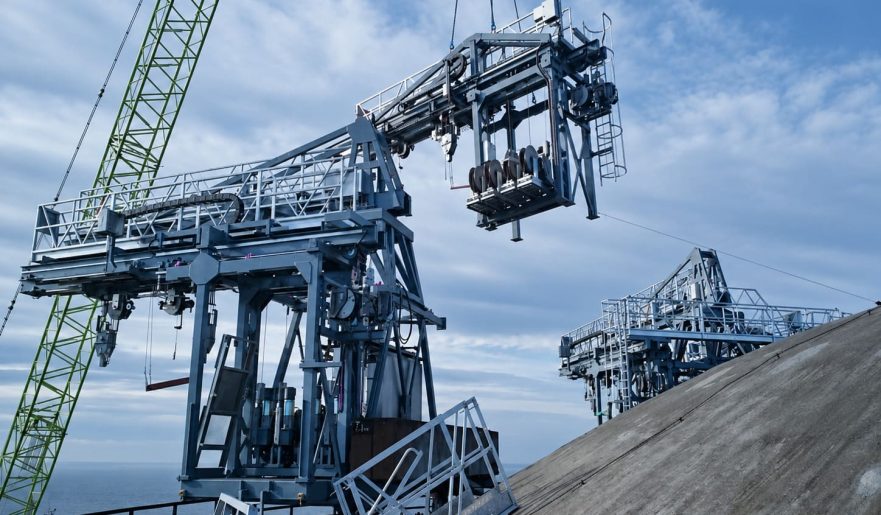
Our engineers work around the plant layout, operating sequence, safety and project quality requirements to develop equipment that fits the task from the start.
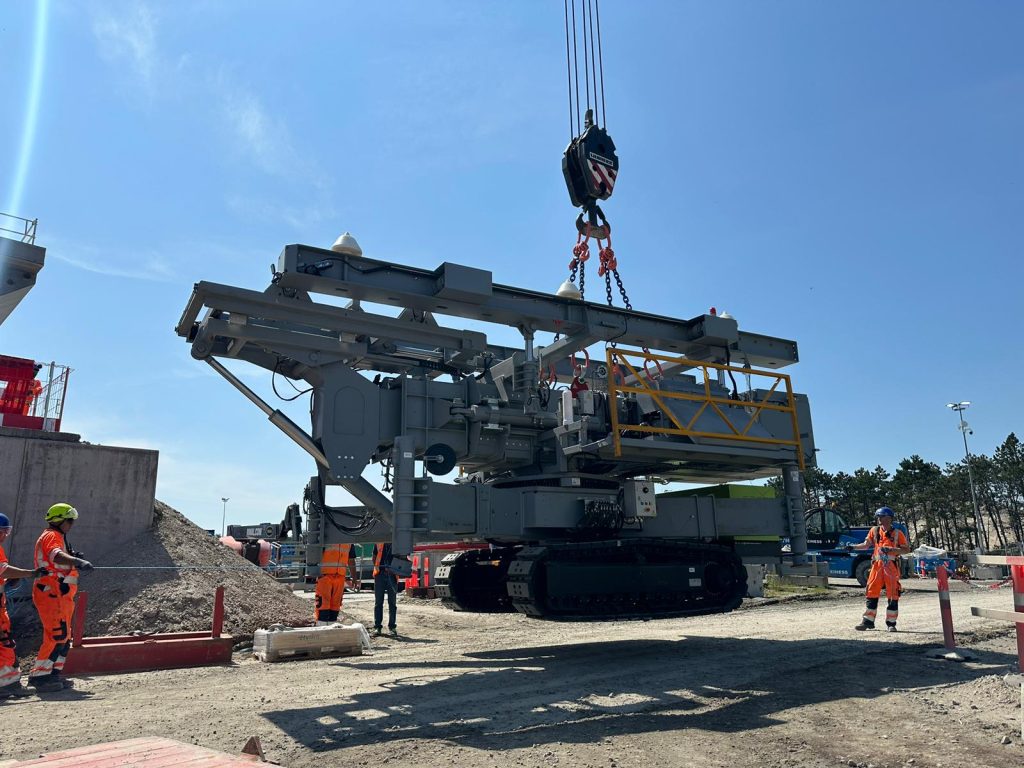
The equipment needed during construction is rarely the same equipment needed twenty years later. IAS supports nuclear projects across different stages of the asset lifecycle, with each system tailored to the work being carried out at that stage.
New-build programs can require heavy lifting, suspended access, and custom tooling around containment structures, domes, and other complex plant areas. IAS can develop equipment tailored to the structural geometry and construction sequence, enabling crews to reach the work area and move loads safely without relying on a standard arrangement. Nuclear power plants can also include cooling-water tunnels, where IAS tunnel access and handling equipment may also be relevant.
Planned maintenance often has to fit inside a fixed outage window. That places a premium on equipment that can be installed efficiently. IAS supports nuclear power plant maintenance with equipment such as precision winching units and custom handling and lifting systems. Repeat use, inspection access and parts support can be considered during design when the equipment will return to service across multiple outages.
Modernization and dismantling create handling tasks that may not have existed when the plant was designed. We can develop nuclear material-handling equipment based on the removal sequence, available space, and required movement path. The same approach applies when replacement components need to be brought into areas with limited access.
Our nuclear lifting capability can include overhead cranes, monorail hoists, precision winching and other project-specific systems. Each package is developed around the load, duty cycle and the way the equipment needs to operate safely inside the plant.
Where several disciplines meet, IAS can help coordinate lifting, access and handling within one equipment strategy. That gives the project team a clearer interface between the machine, the structure and the work sequence.
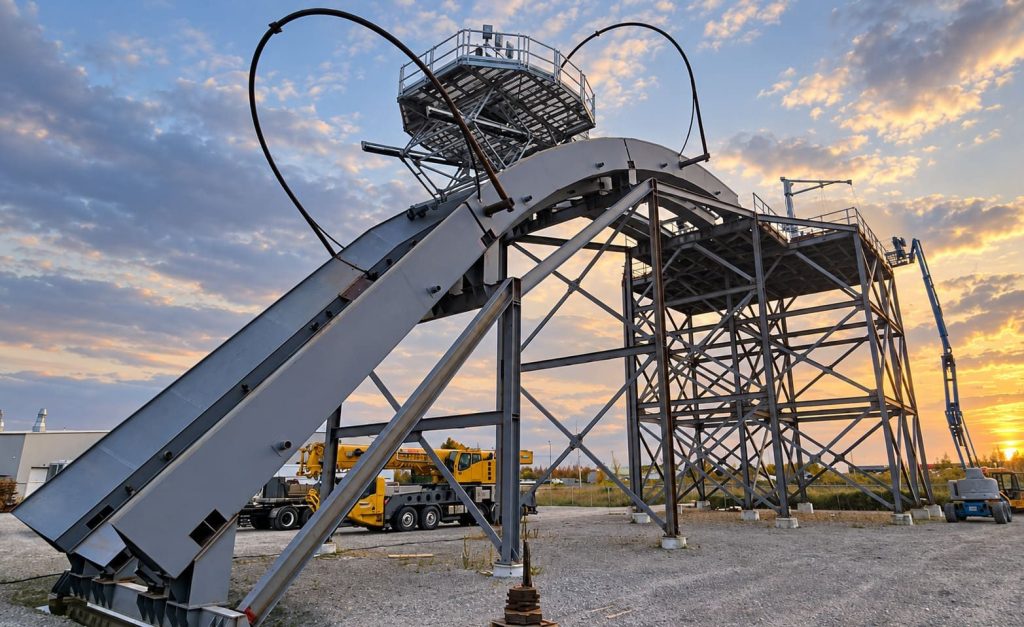
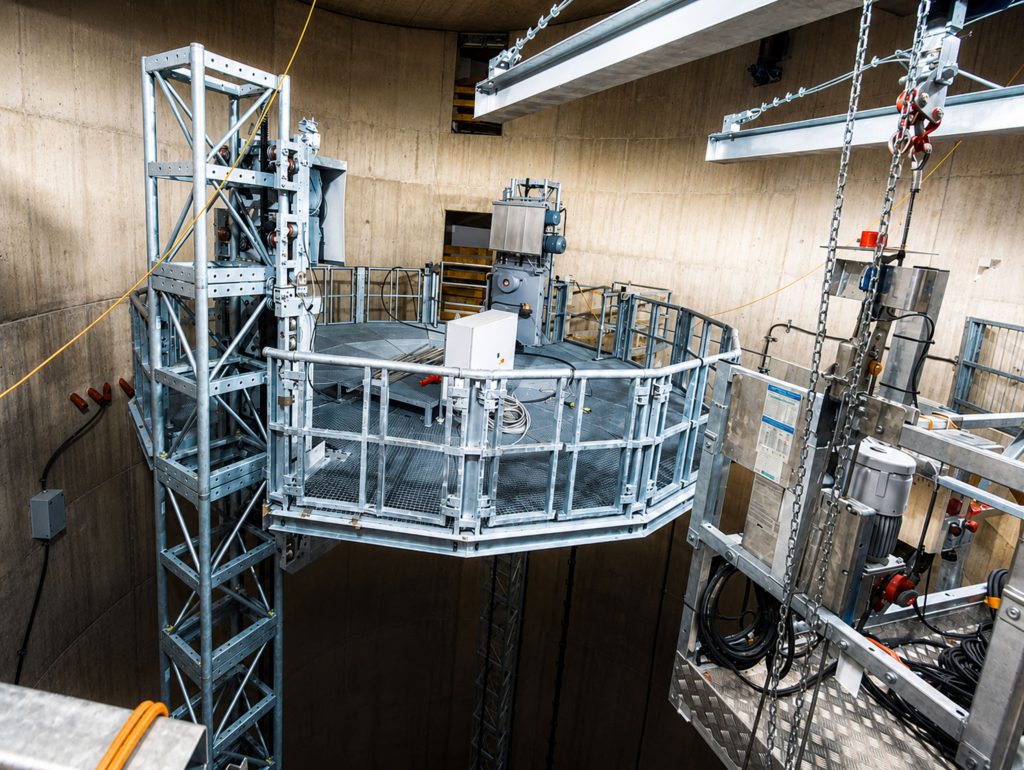
Nuclear facilities rarely give equipment an open working area. Containment structures, plant rooms, confined spaces and existing systems create fixed clearances that shape what can be installed and how it can move.
We begin with the task and the real site envelope. Structural interfaces, access routes, crew movement and operating requirements are reviewed before the equipment concept is finalized. This allows a custom system to be developed around the plant instead of asking the project team to work around a standard machine.
Nuclear buyers need confidence in the equipment and in the process behind it. Engineering records, material traceability and quality documentation can be as important to acceptance as the mechanical system itself.
IAS holds ISO 19443 certification for items important to nuclear safety. This provides an established nuclear quality framework alongside engineering, manufacturing, supply chain quality and testing capability.
The exact codes, classifications, and documentation requirements still depend on the plant, jurisdiction, and project specifications. Those requirements should be agreed early so they can be reflected in the equipment scope and supply process.
Nuclear equipment answers to two safety layers at once, and we design against both from the first concept sketch. Safety is priority number one for every operator we work with, and the IAS working-at-height heritage sits behind the way we treat it.
The first layer is the nuclear quality framework. ISO 19443 governs how items important to nuclear safety are supplied, from traceability of base materials through welder qualification, inspection records and documentation handed to the licensee. IAS holds that certification, and it defines how we behave as a supplier before the mechanical system is even built.
The second layer is the machinery itself. Overhead cranes, winching units, post-tension access systems and suspended platforms are developed against the same machinery-safety references that govern any CE-marked lifting or access equipment, scaled to the duty of the plant.
Risk assessment follows EN ISO 12100 and EN ISO 14121. Permanent access on the equipment references EN ISO 14122. Operator stations follow EN ISO 6385. Lifting attachments on cranes and winches follow EN 13155. CE-marked systems inside the EU answer to the Machinery Directive 2006/42/EC. Any road moves of large components reference EN 12195-1 for load restraint.
On top of those two layers, each plant and jurisdiction brings its own licensing, radiation-protection and site-safety requirements.
Infrastructure Access Solutions operates within Alimak Group for complex nuclear requirements. This brings together specialist knowledge in lifting, suspended access, material handling, rack-and-pinion systems and custom machinery.
Project teams can work with a single engineering group from concept through manufacturing, testing, and site support. That is particularly valuable when a nuclear scope combines several equipment disciplines or needs a system developed around an existing plant.
Talk to IAS about a solution built around your plant, schedule and project requirements.
IAS supports lifting, handling, and access requirements across new-build, maintenance, modernization, and dismantling work, including SMR and fusion projects where applicable. The scope can include overhead cranes, winching systems, post-tension access, suspended platforms and other custom systems developed for the project.
Yes. Custom equipment can be developed around the task, plant layout and operating sequence. This is useful when existing access is limited or when a maintenance activity has to fit within a defined outage window.
The load is only one input. The project team also needs to consider the movement path, duty cycle, available space, and the requirements that apply to the operating area. Those factors shape the lifting concept and the level of control needed.
ISO 19443 is a quality management standard for organizations supplying products or services important to nuclear safety. IAS holds this certification, supporting supply chain quality and nuclear quality management. Project-specific quality requirements still depend on the plant and the applicable procurement framework.
Yes. IAS can develop lifting, transfer, and handling equipment based on the removal sequence and available route. This can support components that need to be moved through areas that were not originally designed for regular removal.
As early as practical. Early coordination gives the project team more options for support points, movement paths and access interfaces. It also leaves more time to plan engineering, manufacturing, testing and documentation around the project schedule.