Global Site - English
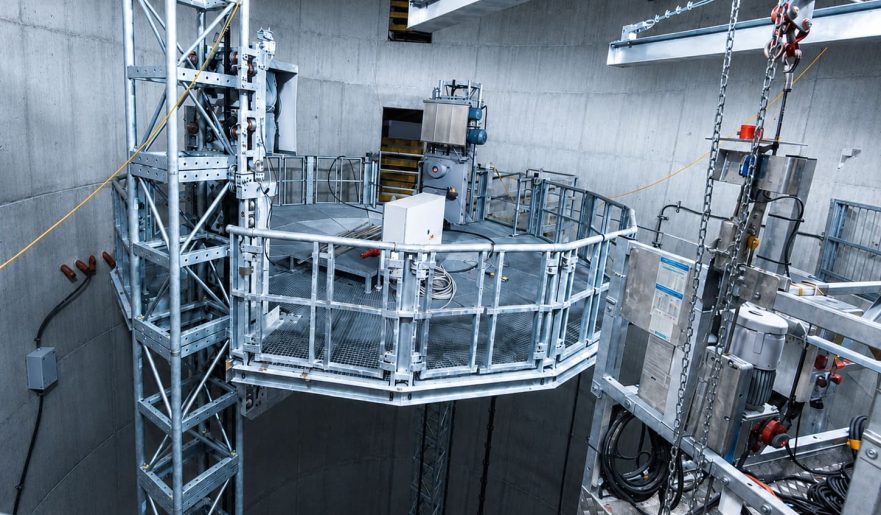
Our systems are developed around the tunnel geometry, construction sequence and logistics plan, from shaft access and vertical transport to working platforms, gantries and one-off handling machines. We support contractors, method engineers and asset owners who need equipment that keeps underground work moving without adding another constraint to the project.
Underground projects leave little room for equipment that does not fit the method. The cross section is fixed, the work front keeps moving, and people, materials and services often share the same route.
Our engineers start with the alignment, shaft arrangement, work sequence and available envelope. From there, we develop tunnel equipment around the movement of crews, materials and loads. The aim is to support the construction cycle while preserving the space needed for excavation, services and follow-on trades.
As the tunnel advances, the access and logistics strategy must adapt. Equipment that works well near the portal can become a bottleneck deeper into the drive if extension, relocation, and changes in clearances were not considered early.
Acceleration platforms, installation platforms, invert bridges and motorized gantries, straddle carriers can support crews where the work area changes as construction progresses. These systems are configured around the available space, work tasks and the way people need to reach the active work zone.
Where a fixed route is not practical, monorails and other staged handling systems can move loads through congested sections without taking over the main roadway.
Shafts consolidate access and logistics into a single vertical route. Rack-and-pinion elevators and shaft elevators can be configured for temporary construction use or permanent access, based on shaft depth, landing levels, headroom, and the size of the loads to be moved.
The equipment can also be coordinated with working surfaces, covers and temporary arrangements at the shaft collar so access remains practical as the project changes.
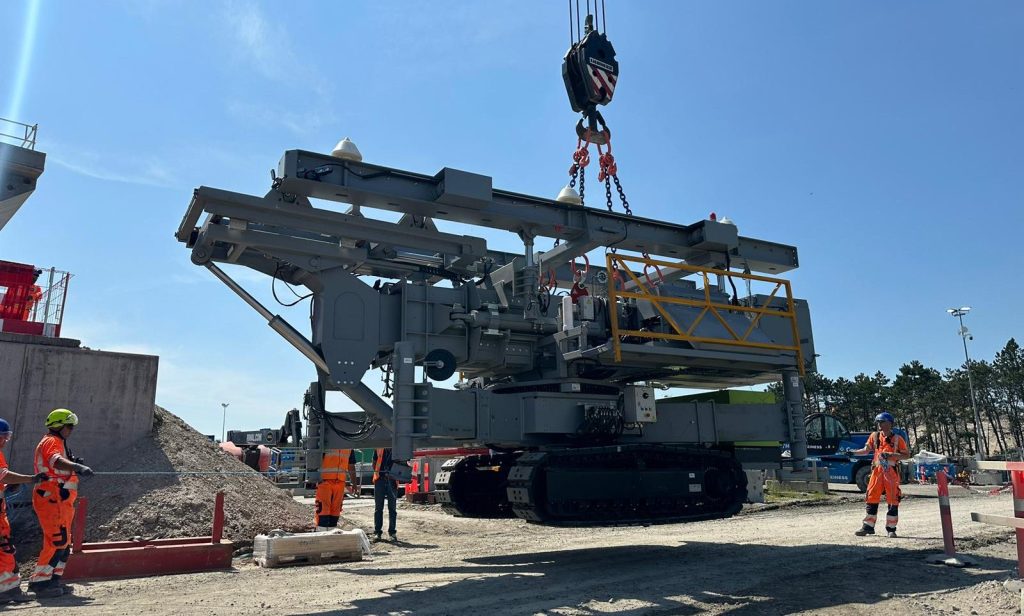
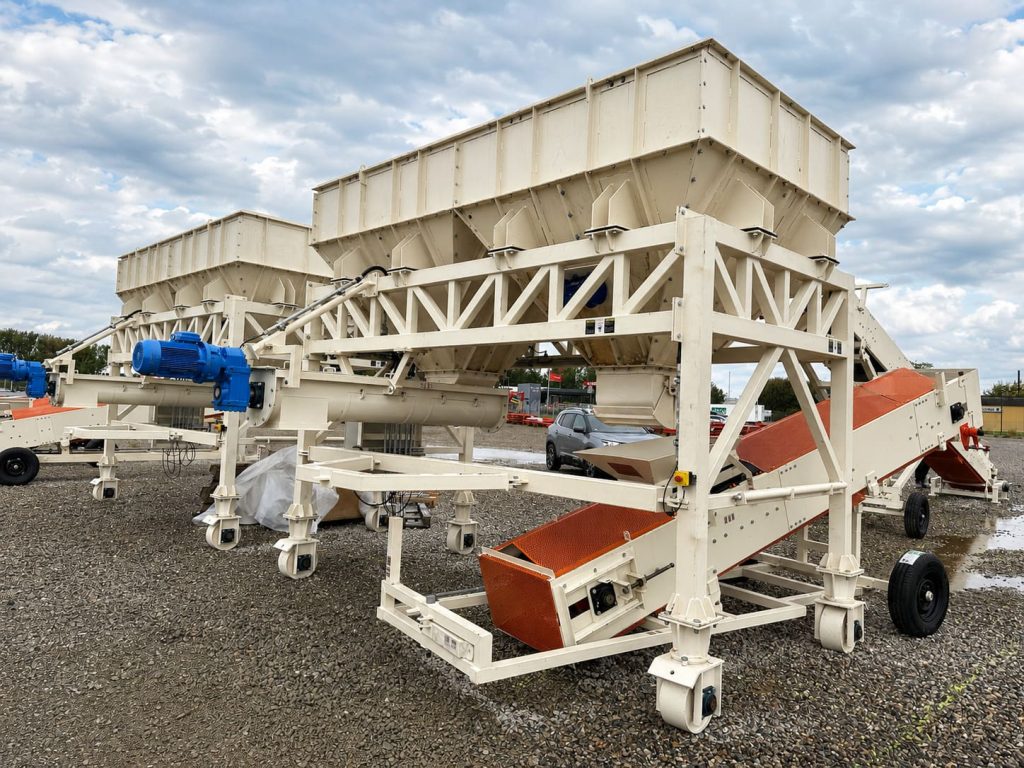
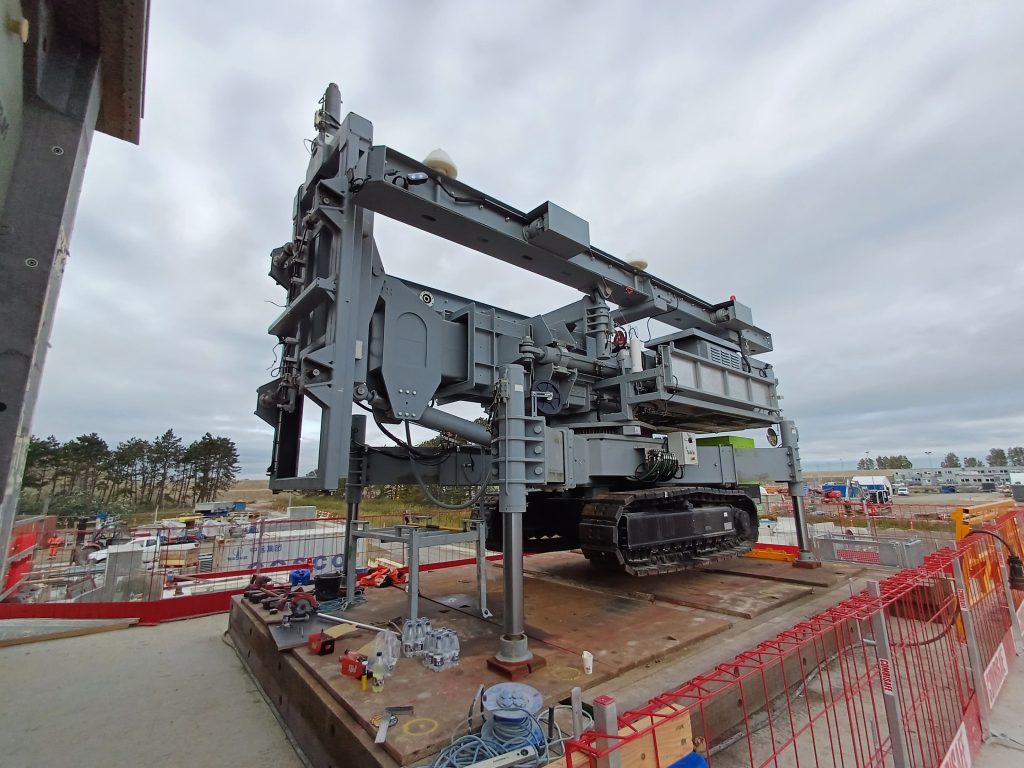
Some tunnel operations require equipment designed for a single method or structure. That can include bulkhead-handling machines, scissor tables, spreader systems, or other custom equipment when a standard configuration does not suit the available space or operating sequence.
IAS can take these requirements from concept through detailed engineering, manufacture and testing. The equipment is developed around the actual task, including the movement path, operating sequence and interfaces with the temporary or permanent works.
A tunnel is one corridor shared by excavation crews, material trains, concrete trucks, servicescrews and the equipment itself. That co-activity is where most tunnel incidents originate, and it is what every piece of our tunnel equipment has to be designed around. Safety is priority number one for underground contractors. IAS working-at-height heritage carries into how our platforms, shaft elevators and handling systems behave inside that shared envelope.
Installation platforms, invert bridges and acceleration platforms are the first point of contact between crews and the active face. The ergonomics of boarding, working at height on the platform, and leaving under live-overhead conditions follow EN ISO 6385 and EN ISO 14122. Risk assessment on the platform mechanics follows EN ISO 12100.
Monorails, straddle carriers and bulkhead-handling machines operate within meters of working crews. Lifting attachments on these systems follow EN 13155. Safety PLC controls on shaft equipment and gantries manage interlocks between movement, braking and operator stations. CE-marked machines inside the EU answer to the Machinery Directive 2006/42/EC.
Rack-and-pinion elevators and shaft elevators carry crews and materials up to a kilometer per shift in some drives. Overspeed governors, landing-door interlocks and emergency behavior are a design input from the start. Road moves between fabrication and site reference EN 12195-1 for load restraint before the equipment is even assembled at the portal.
Local underground safety regulations and tunneling codes add further requirements on top of these references. Our engineers adapt the design to the governing framework of each project rather than defaulting to a single rulebook.
Tunnel equipment works best when it is considered during the method’s development. Early engineering gives the project team more control over equipment routes, structural interfaces and how each system will move or extend as the works progress.
We review the construction sequence, loads, duty cycle and site envelope before the equipment concept is fixed. Mechanical design, controls and structural interfaces are developed around those project inputs.
Custom equipment can undergo fabrication, assembly, and testing before delivery. This gives the project team a clearer view of the operating sequence and equipment interfaces before installation underground.
Support can continue through installation, commissioning and operator familiarization. For systems that remain in service, inspection, parts support and planned maintenance can form part of the long-term equipment strategy.
Plan tunnel access, lifting and logistics around your construction method from the start.
Selection starts with the construction method, tunnel cross section and planned logistics route. Shaft depth, gradient, work-front movement, and the way crews and materials share the available space then narrow the options. IAS develops the equipment around the busiest parts of the sequence, considering coactivity between crews, materials and equipment rather than treating each machine in isolation.
Depending on the method, this can include motorized gantries, monorails, invert bridges, working platforms and vertical transport equipment. The right combination depends on the route, required throughput, available roadway space, and how frequently the equipment needs to move as the tunnel advances.
Yes. IAS supports project-specific machinery where a standard configuration does not suit the operation. The process can begin with the method statement, drawings and load cases, then continue through engineering, manufacturing, testing and site support.
No. IAS focuses on access,lifting,handling, and logistics equipment that supports underground construction during the excavation process. This includes working platforms, shaft transport, gantries, monorails and custom handling systems.
Useful starting information includes the alignment, cross-section, shaft geometry, planned construction sequence, and target cycle times. Site access, available power, load requirements and the intended operating environment also help define the equipment concept.
Yes. Depending on the equipment and contract scope, support can include inspection, parts, maintenance planning and operator familiarization. For systems used over long construction programs, planned support can help maintain availability as the project moves deeper into the alignment.