Global Site - English
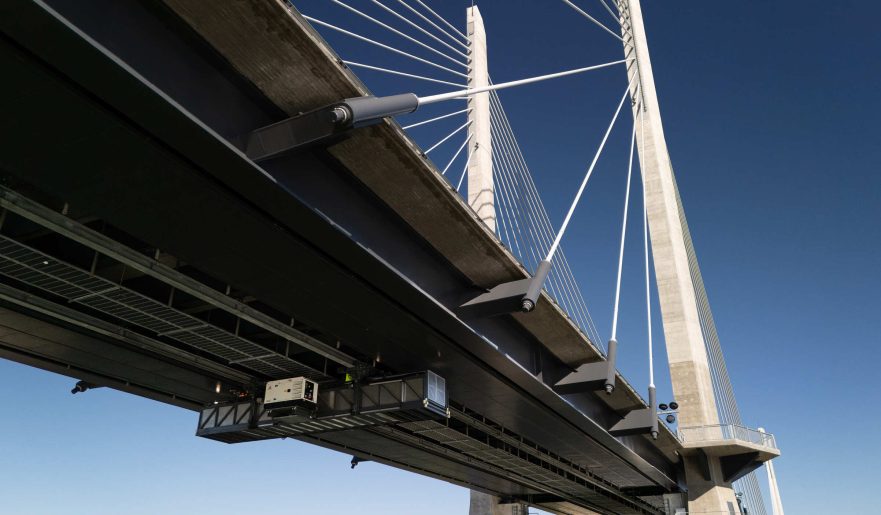
Our work supports tunnel, nuclear and bridge environments where safety, geometry, construction sequence and long-term maintenance requirements shape the equipment from the start. We work with contractors, consultants and asset owners to develop temporary and permanent systems for how the asset will be built, operated and maintained.
A tunnel, a nuclear facility, and a bridge can all require access, lifting, and handling, but the engineering priorities are very different. The available space, service life and project controls determine what the equipment needs to do and how it should integrate with the structure.
That is why we assess access, lifting and material movement as part of the wider project method. The aim is to develop infrastructure equipment around the real environment rather than treat each requirement as a separate purchase.
| Market | Typical project requirements | IAS capabilities |
|---|---|---|
| Tunnels | Shaft transport, moving work fronts, spoil and material logistics, bulkhead handling | Rack-and-pinion elevators, invert bridges, scissor tables, bulkhead handling equipment, monorails |
| Nuclear | Heavy lifting, post-tension access, controlled maintenance access, plant handling | Post-tension access systems, motorized suspension systems, gantries, overhead cranes, precision winching |
| Bridges | Deck and under-deck access, pylon and cable access, erection lifting, long-term inspection | Form travelers, movable scaffolding systems, under-deck gantries, stay-cable travelers, derrick cranes, segment hoists, beam launchers |
Many projects combine more than one of these capabilities. A tunnel may need vertical access alongside material logistics. A bridge can require lifting during construction and permanent access for inspection. IAS can coordinate those requirements into a single engineering approach.
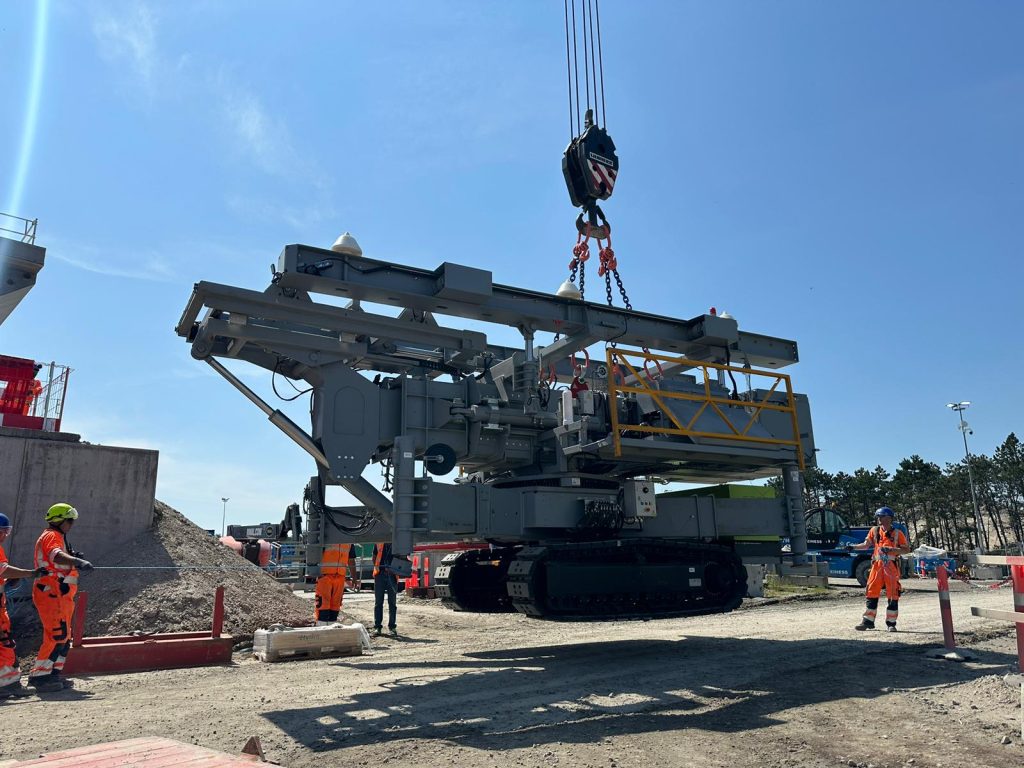
Tunnel, nuclear and bridge projects place very different demands on access, lifting and handling equipment. IAS develops each system around the asset, construction method and operating environment so the equipment supports the project rather than adding another constraint.
Tunnel projects concentrate people, materials, and equipment within a limited corridor while the work front continues to advance. Access and logistics systems need to use that space efficiently without interrupting excavation or follow-on works.
IAS capabilities include shaft elevators, acceleration platforms, scissor tables, monorails, and custom bulkhead-handling equipment. These systems can be developed around advance rates, available cross-section, and how the tunnel logistics plan changes throughout construction.
Nuclear projects place added emphasis on controlled movement, documentation, equipment reliability and safety. Requirements can span new construction, modernization, maintenance and dismantling, with different operating conditions at each stage. IAS can also act as an integrator, coordinating specialist partner capabilities when a project requires equipment beyond our in-house manufacturing scope. This allows us to support a broader range of equipment requirements through a coordinated engineering approach.
Our nuclear scope includes heavy lifting, post-tension access, motorized suspension systems, overhead cranes, precision winching. The special projects supply unit holds ISO 19443 certification for items important to nuclear safety.
Bridge equipment often has two support roles. The construction phase may require form travelers, movable scaffolding systems, segment lifting or beam launching. The completed asset then needs safe access for inspection, maintenance and repair.
IAS bridge capabilities include under-deck gantries, stay-cable travelers, pillar inspection systems and structure-supported lifting equipment. Planning these requirements early can reduce the need for difficult modifications once the bridge is complete.
Safety looks different on each of these projects. A tunnel safety problem is not a bridge safety problem, and neither is a nuclear safety problem. Our engineering approach is not to apply a single standard across the three but to adapt the design to the governing framework of each market and jurisdiction. Safety is priority number one on every scope.
| Market | Dominant safety concern | Primary standards we design against |
|---|---|---|
| Tunnels | Co-activity in a shared corridor; shaft transport; emergency egress | EN ISO 12100, EN ISO 14122, EN 13155, local underground safety regulations |
| Nuclear | Supply-chain quality for items important to nuclear safety; controlled load movement; radiation-protection interfaces | ISO 19443, EN ISO 12100, EN 13155, Machinery Directive 2006/42/EC, licensing-authority requirements |
| Bridges | Work above live traffic, water or rail; fatigue of carrying structure; equipment stability under wind | EN ISO 12100, EN ISO 14122, EN 13155, EN 12195-1 for road moves, local bridge-safety regulations |
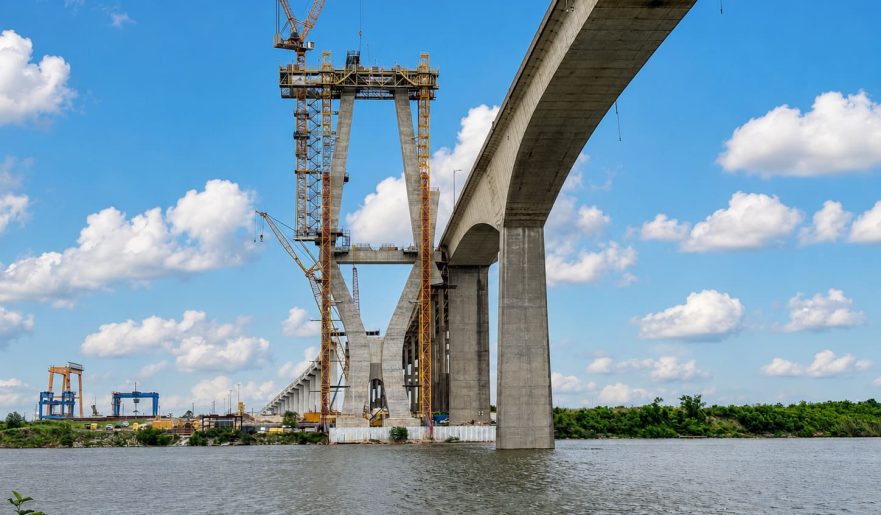
IAS can support a requirement from early concept through design, manufacturing, testing and site delivery. This matters on infrastructure construction projects where access, lifting and handling interfaces need to be coordinated with the structure and the project sequence rather than solved independently.
The group also brings long-term experience in permanent access and asset support. That gives project teams a route from construction-stage equipment through to systems intended for inspection and maintenance over the service life of the asset.
Talk to our engineers about the access, lifting and handling requirements before the structure or construction sequence limits the available options.
The decision depends on how long the equipment is needed and how often the task will repeat. Temporary systems usually support a defined construction sequence. Permanent systems support inspection and maintenance throughout the asset life. Many infrastructure projects need both, which is why early coordination with the structural design can be valuable.
Yes. These requirements often overlap on complex projects. A lifting system may support an access platform, while handling equipment feeds materials into the same work zone. IAS can review the full operating sequence to ensure the equipment works together and to reduce the number of interfaces on site.
As early as practical. Support points, clearances, load paths and equipment routes are easier to coordinate before the structure is fixed. Early input also provides more time for engineering, manufacturing, testing, and any project-specific reviews required before the equipment reaches the site.
Support can continue beyond installation depending on the equipment and project scope. Inspection, servicing, spare parts, refurbishment and operator training can form part of the long-term support strategy for permanent systems.
Structural layout drawings or a BIM model are a strong starting point. The team will also need load cases, duty cycle, access limits, program dates and the construction or maintenance method. Applicable project requirements and operating conditions help define the engineering scope.
IAS specializes in custom access, lifting and handling requirements for complex infrastructure. The confirmed focus of this website is tunnels, nuclear and bridges, but the wider engineering capability can support other project-specific applications where standard equipment does not meet the requirement.