Global Site - English
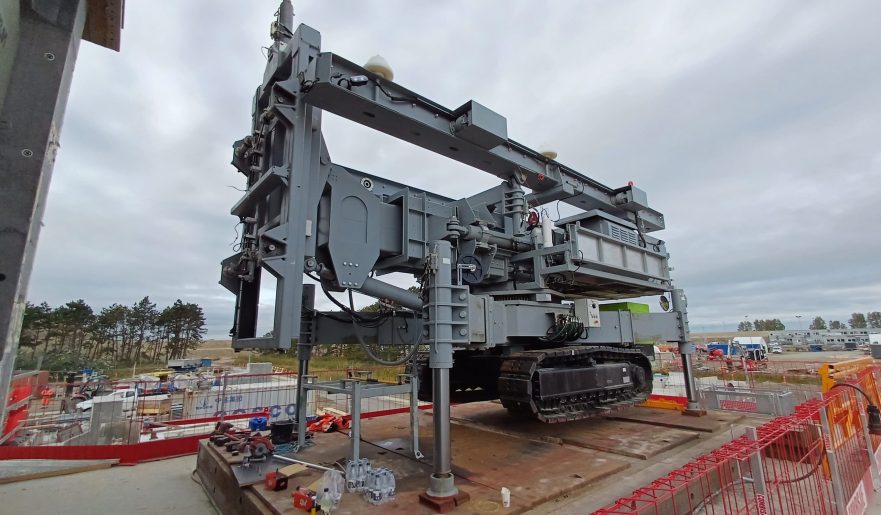
Infrastructure Access Solutions (IAS) designs and manufactures custom material-handling equipment tailored to those project conditions. Our work ranges from transfer systems to one-off handling machines for complex structures. We support contractors, consultants and asset owners who need equipment that fits the project method, available space, safety requirements and operating conditions.
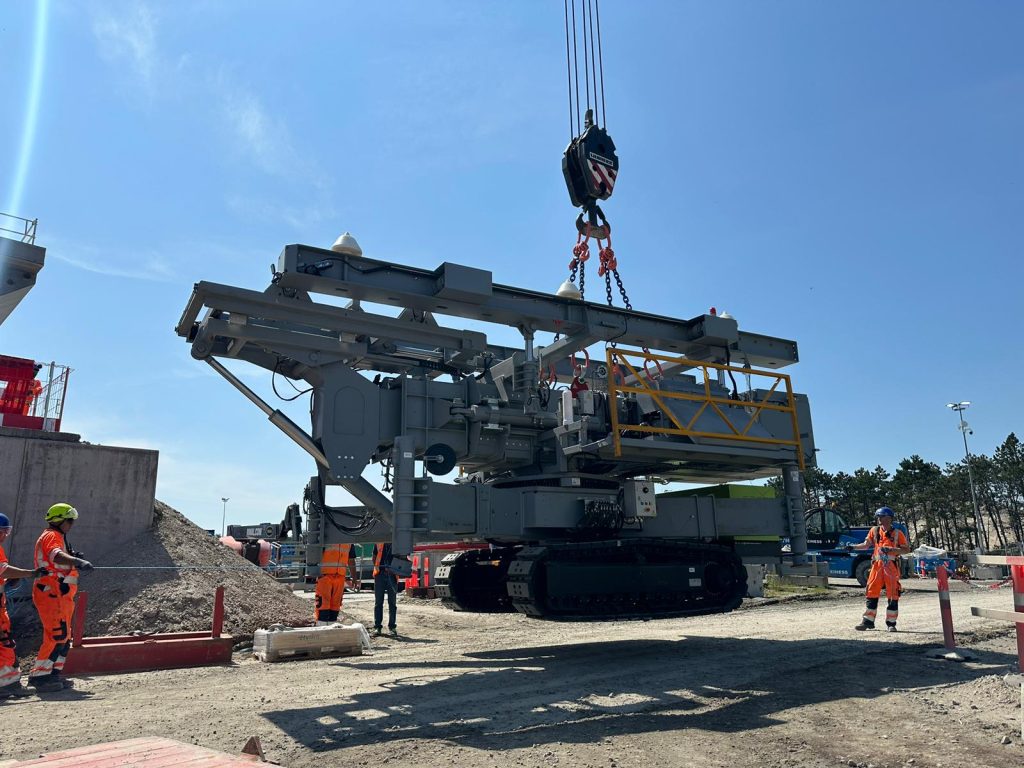
The right handling solution starts with how material needs to move through the site. Load size, travel path, cycle time and available space all influence the equipment concept. On infrastructure projects, these constraints are often set by the structure itself.
Our engineers work from the actual site envelope and construction method. That can mean designing around a tunnel cross-section, a bridge deck, a shaft, or a controlled plant environment. The aim is simple: keep materials, components and equipment moving without forcing the project to adapt around a standard machine.
Handling systems need to keep pace with the project. Some applications rely on continuous material flow. Others need controlled, staged movement through areas where routes and clearances change as the works advance.
Where fixed routes are not practical, monorail or shuttle arrangements can support staged movement through congested areas.
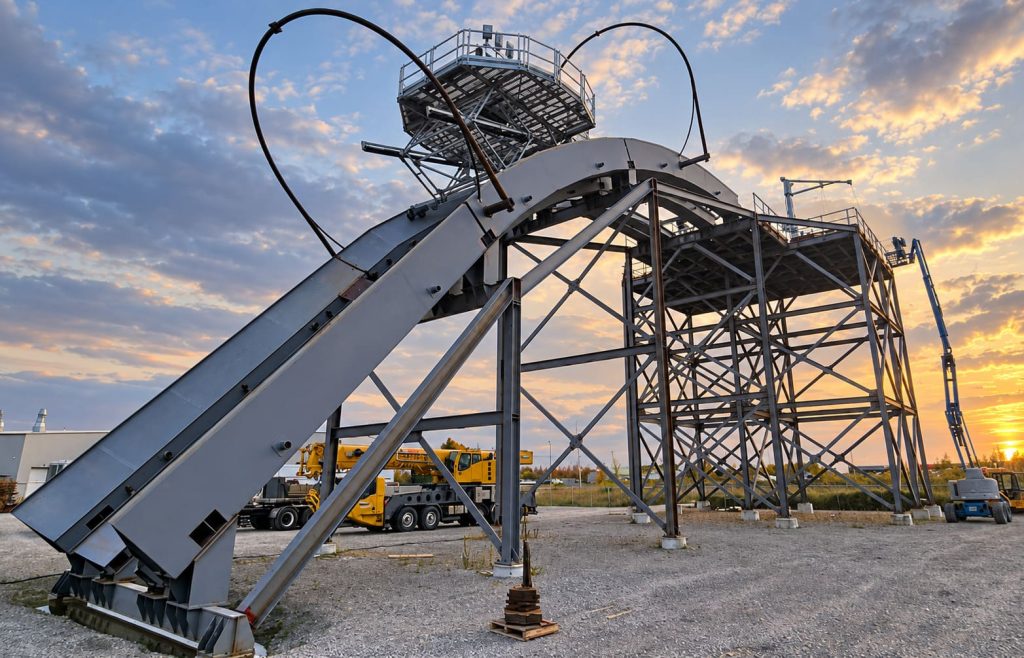
Some operations require a machine designed around a single structure or method statement. This can include scissor tables, bulkhead-handling equipment, acceleration platforms, trolleys, and other custom systems where standard equipment does not suit the available space or operating sequence.
Material movement is not always horizontal or fixed to one route. Rack-and-pinion elevators, shaft elevators, mobile structures and other site-specific equipment can support vertical or changing logistics requirements.
On bridge and heavy civil projects, handling can also overlap with lifting. Segment hoists, beam launchers and derrick cranes can move components from ground or barge level to the working structure. Our engineers can coordinate these interfaces when access, lifting and handling need to work together.
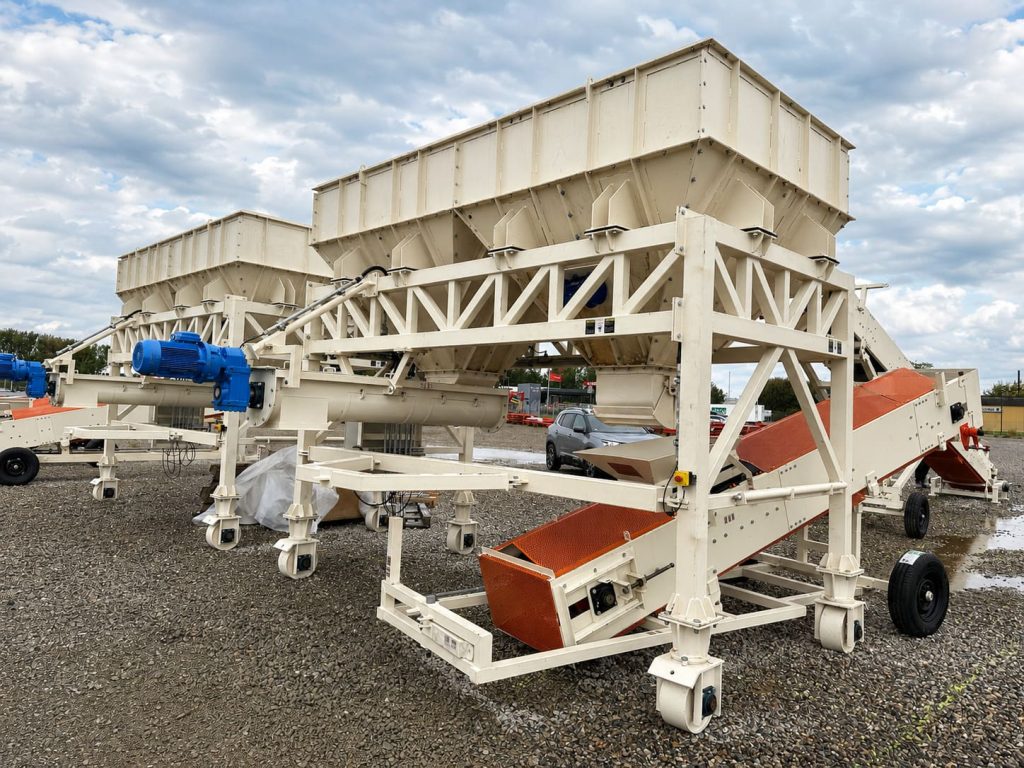
Construction material-handling equipment often needs to be changed with the works. Transfer points may move. Temporary routes can disappear as permanent works are completed.
We account for those changes during concept development. Extension, relocation and reconfiguration can be planned into the equipment rather than treated as late site modifications. This helps project teams maintain continuity as the work front moves.
For permanent installations, the priorities are different. Durability, inspection access, maintenance strategy and long-term support become more important. Where a project requires both temporary and permanent systems, the two can be coordinated so that one phase does not impose constraints on the next.
Infrastructure Access Solutions can support the handling requirement from early concept through manufacturing and site delivery. Our engineers review the method statement, load cases, cycle times and structural interfaces before the equipment concept is fixed.
We develop the handling concept around the project geometry, operating sequence and required capacity. Mechanical design, controls and structural interfaces are coordinated as part of the same process.
Custom equipment can undergo fabrication, assembly, and testing before delivery. This gives the project team a clearer view of how the system will operate before it reaches site.
Support can continue through installation, commissioning, operator familiarization and training. The final scope depends on the equipment and project requirements. Applicable codes, safety requirements and documentation are addressed during engineering based on the equipment type and jurisdiction.
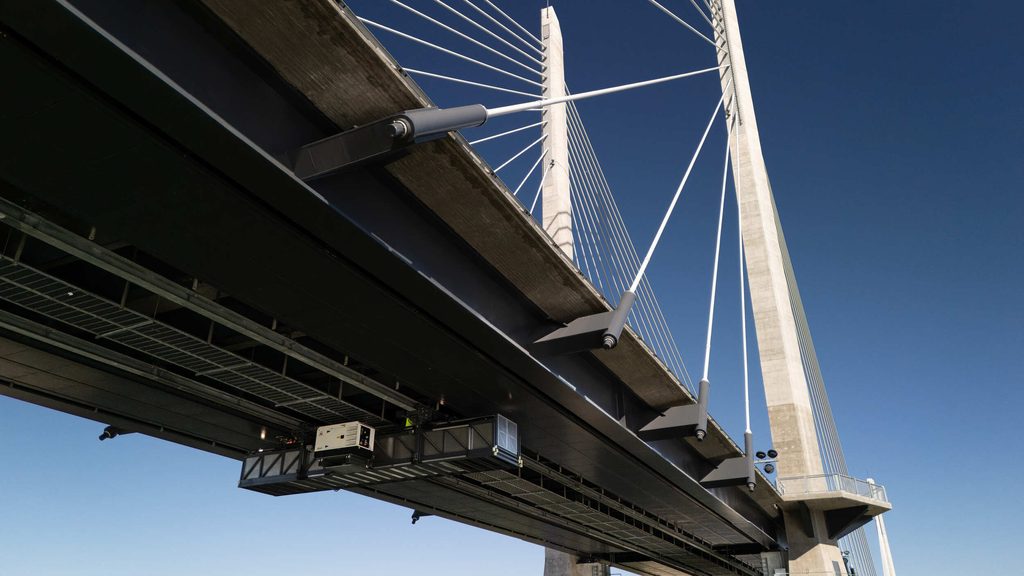
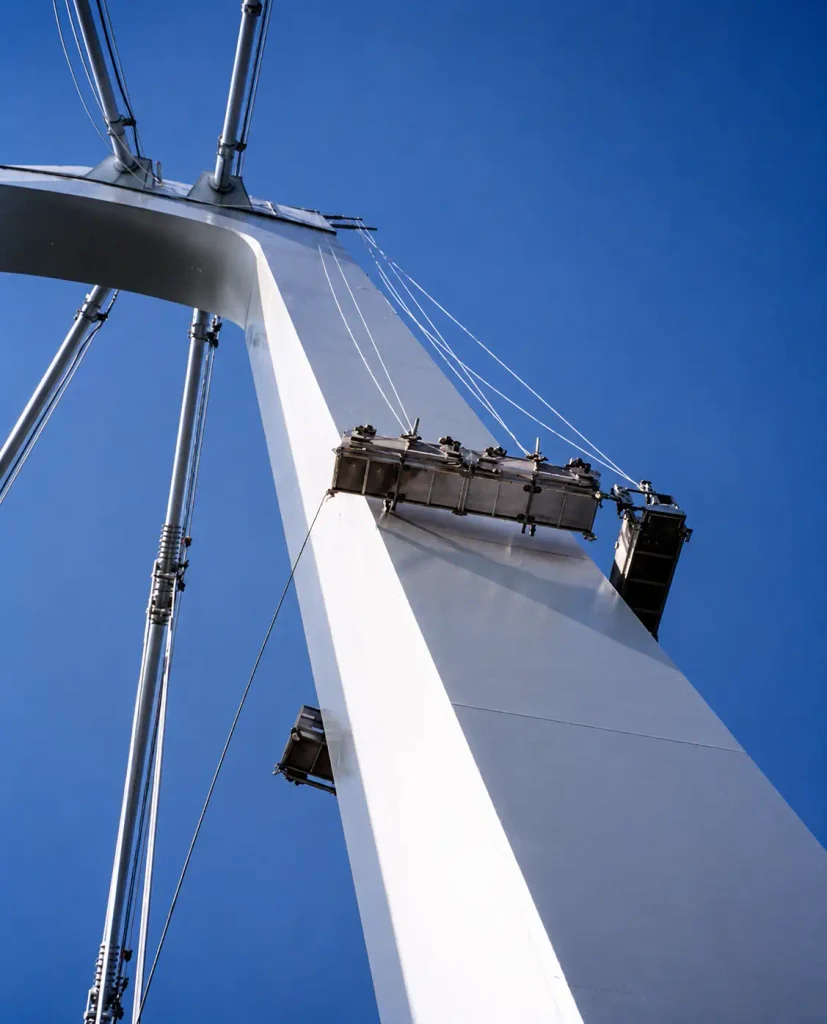
A handling machine sits at the point where three safety concerns meet. We design against each from the start, not as an audit at the end. Safety is priority number one on every scope we deliver. and the IAS working-at-height heritage runs underneath that approach.
The first vector is the operator. Someone drives the scissor table, loads the trolley, controls the monorail. Operator stations, control positions and the body posture at each one follow EN ISO 6385 for ergonomics. The behavior of the machine around that operator follows EN ISO 12100 for risk assessment.
The second vector is the load. A bulkhead segment, a steel liner, a concrete form, a prefabricated service module. The load is heavy and the attachment to the machine has to hold under every operating condition. EN 13155 covers the non-fixed lifting attachments. The road move between fabrication and the site, when it happens, follows EN 12195-1 for load restraint before the machine ever lifts anything on project.
The third vector is the path. A load travels from pickup to drop and does not do it alone. Other crews, services and equipment share the same corridor on an infrastructure site. Our handling systems reference EN ISO 14122 for the permanent access and walking surfaces built into the machine, and CE-marked equipment inside the EU answers to the Machinery Directive 2006/42/EC. Local work-safety and site regulations may apply alongside these references.
Infrastructure Access Solutions operates within Alimak Group for complex infrastructure work. That wider group experience covers custom access, lifting and handling systems across major bridge, tunnel and nuclear projects.
The wider group brings decades of experience across complex infrastructure environments, supported by specialist engineering, manufacturing and testing capability. Bridge equipment from the group has contributed to more than 50 bridges in 20 countries over more than 40 years. IAS also holds ISO 19443 certification for items important to nuclear safety.
Share the load path, movement sequence, and site constraints. Our engineers can turn them into a practical handling concept.
Start with the material flow and the site envelope. Load size, route, cycle time, and available space quickly narrow the options. The construction method also matters because handling equipment may need to be extended, relocated, or work alongside live construction activities. A project-specific concept is usually developed once those constraints are clear.
Cost is influenced by load case, duty cycle, automation level, structural interfaces and the amount of custom engineering required. Site geometry and documentation can also affect the scope. Equipment designed for reuse across several project phases may have a different commercial case from a one-off machine.
Yes. Transfer systems can be designed with extension and relocation in mind. Planning the final route, control architecture, and power requirements early can make each subsequent extension more straightforward and reduce the need for major on-site redesign.
Yes. Custom equipment is part of the IAS special projects capability. The process can begin with the method statement, load cases and site constraints. The machine can then progress through engineering, manufacturing, testing and site support as required.
Yes. IAS supports both temporary construction equipment and permanent handling systems. Permanent installations place more emphasis on durability, inspection access, maintenance and long-term support. When both phases are required, the temporary and permanent arrangements can be coordinated during the design phase.
IAS supports lifting, handling and storage requirements for nuclear construction, operations and maintenance. Relevant equipment can include winching units, overhead cranes and other project-specific handling systems. Nuclear scopes are developed around operator requirements, project specifications, applicable quality frameworks and nuclear safety requirements.