Global Site - English
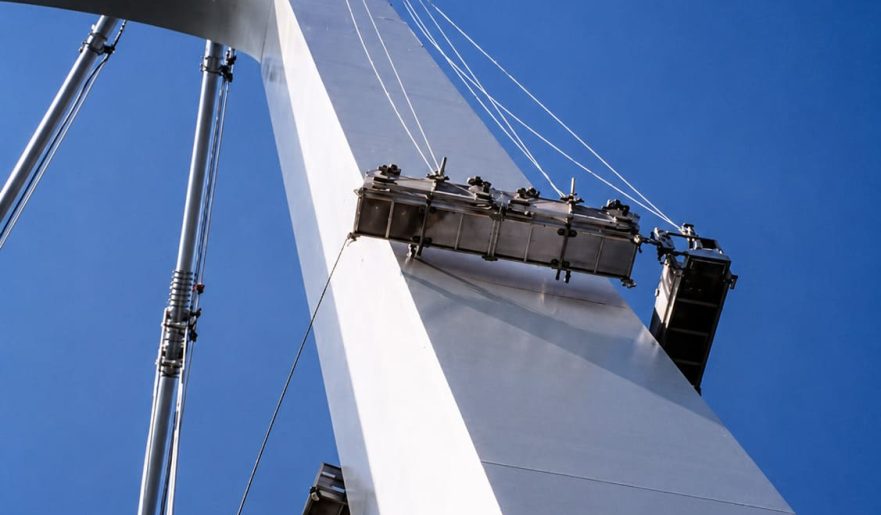
Infrastructure Access Solutions designs equipment for bridge, tunnel and nuclear projects where safety, geometry and jurisdictional rules all shape the specification. We work with contractors, consultants and asset owners to confirm the governing codes before design is fixed. The reference list below sets out the standards our equipment is typically designed against.
Infrastructure Access Solutions supplies globally, and no two projects answer to exactly the same framework. The list below captures the standards we most often reference across access, lifting and handling scopes. The governing set for each project depends on the equipment type, the asset and the jurisdiction. Project-specific requirements are confirmed with the client during design review.
This reference is informational and does not replace a project-specific compliance review.
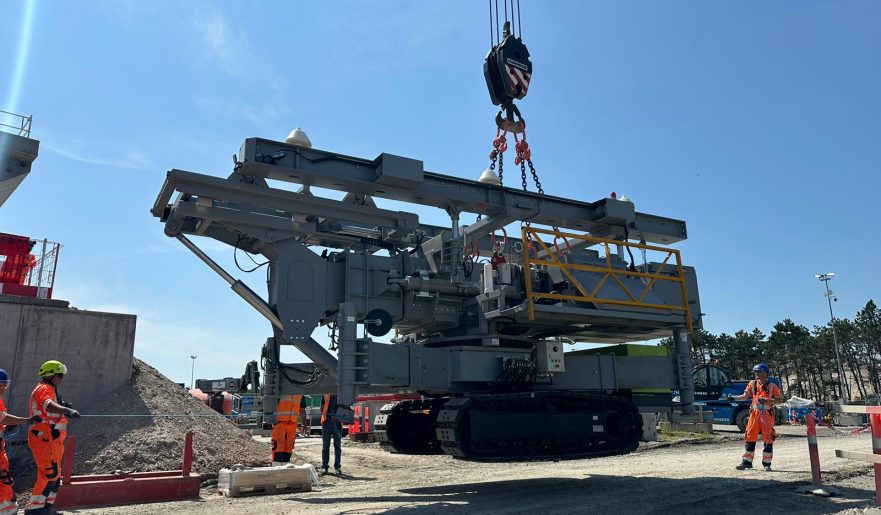
Beyond these references, each project adds its own technical specifications, licensing-authority requirements and operator safety frameworks. Our engineering teams work through those project-specific requirements with the client at design review so the equipment, documentation and inspection regime match what the asset owner needs to accept the delivery.
For equipment already in service, Infrastructure Access Solutions can carry out inspection and safety compliance assessments against the applicable framework.
Share the equipment type, project location and operating environment. Our engineers will confirm the governing framework before design is fixed.
Requirements depend on the equipment type, application and project jurisdiction. European equipment typically references EN ISO 12100, the Machinery Directive 2006/42/EC and the EN 13001 series. North American lifting equipment often references the ASME B30 series and OSHA 29 CFR 1926. Nuclear supply adds ISO 19443 and the applicable site quality program. The governing set is confirmed per project before design freeze.
Our engineering teams adapt the design to the governing framework of each project rather than defaulting to a single rulebook. Local work-at-height rules, lifting regulations and site-safety requirements sit on top of the international standards. The applied set is confirmed with the client during the design review.
The directive governs CE marking of machinery supplied inside the EU. CE-marked IAS equipment includes a technical file, a risk assessment, a declaration of conformity, and operator information. The directive carries into the design and documentation of every machine supplied to the European market.
ISO 19443 extends ISO 9001 with specific requirements for suppliers of items important to nuclear safety. It covers safety culture, counterfeit-item prevention, graded quality controls and traceability. The IAS special-projects supplying unit holds this certification, and the project-specific quality program still depends on the plant and the applicable procurement framework.
Road transport in the EU references EN 12195-1 for load restraint assemblies. Project-specific permits for abnormal loads and route surveys apply on top. The applicable rules are confirmed before dispatch of each unit.